
Round Formwork for Concrete: calculation and top guide
In concrete construction, round formwork plays a pivotal role in shaping cylindrical structures such as columns, piers, and shafts, directly influencing the project’s quality, efficiency, and cost-effectiveness
12/31/20252 min read
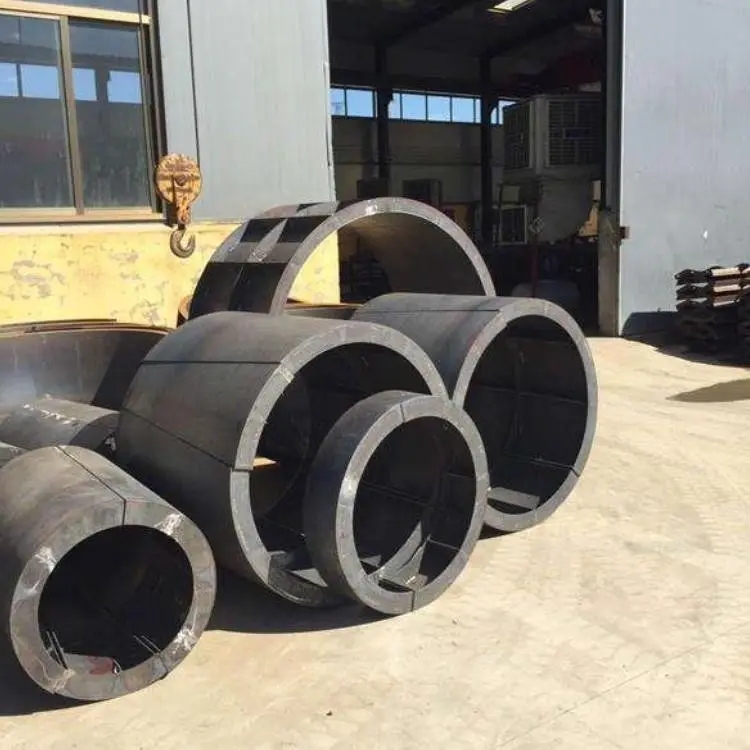
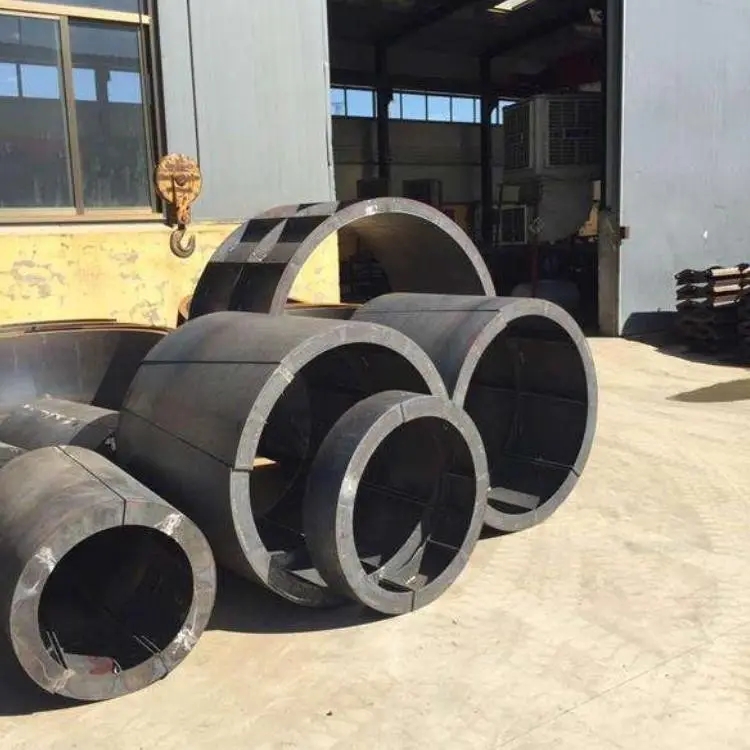
In concrete construction, round formwork plays a pivotal role in shaping cylindrical structures such as columns, piers, and shafts, directly influencing the project’s quality, efficiency, and cost-effectiveness. Among various materials available for round formwork, steel circular formwork stands out for its exceptional performance in specific scenarios, while plastic and wooden alternatives offer practical solutions for smaller-scale applications.
Core Advantages of Steel Circular Formwork
Steel round formwork is engineered to meet the demands of large-scale and long-term construction projects, boasting two key advantages that set it apart:
Infinite Reuse Cycles: Unlike disposable or low-cycle materials, high-quality steel formwork can be reused indefinitely with proper maintenance. Its robust structure resists wear and tear from repeated assembly, disassembly, and concrete pouring, significantly reducing material waste and long-term project costs.
Zero Deformation: Steel’s inherent rigidity and structural stability ensure that the formwork maintains its precise circular shape even under the pressure of wet concrete. This eliminates the risk of deformation, guaranteeing consistent dimensional accuracy for cylindrical structures—critical for structural integrity and aesthetic appeal.
Ideal Application Scenarios
Steel circular formwork is particularly suited for large columns with a diameter exceeding 600mm, especially in long-term construction projects (e.g., high-rise buildings, bridges, industrial facilities). For these scenarios, its durability, reusability, and anti-deformation properties justify the initial investment, delivering long-term value through reduced material replacement and rework.
Alternative Options for Smaller Diameters
For columns with a diameter less than 600mm, plastic or wooden round formwork serves as more cost-effective and flexible alternatives. how to make round concrete forms?
Plastic formwork: Lightweight, easy to assemble, and resistant to moisture, it is ideal for short-to-medium construction cycles and projects requiring quick turnover.
Wooden formwork: Cost-efficient and readily available, it offers good adaptability for custom shapes but has limited reuse cycles and requires proper waterproofing to prevent warping.
Conclusion
Selecting the right round formwork for concrete depends on column diameter, project duration, and budget. Steel circular formwork excels in large-diameter, long-term applications by virtue of its infinite reusability and zero deformation, while plastic and wooden options provide practical solutions for smaller-scale projects. By aligning material properties with project requirements, construction teams can optimize efficiency, quality, and cost-effectiveness.