
Plastic Beam Formwork: A High-Efficiency Choice for Modern Construction
plastic beam formwork has distinct advantages in beam construction, including flexible size splicing, light weight, convenient installation, high reusability, and quick, safe reinforcement. It can effectively improve construction efficiency, ensure project quality, reduce construction costs, and promote the green and sustainable development of the construction industry. As construction technology continues to advance, plastic beam formwork will be more widely used in beam construction and other fields, bringing greater benefits to the construction industry.
4/23/20262 min read
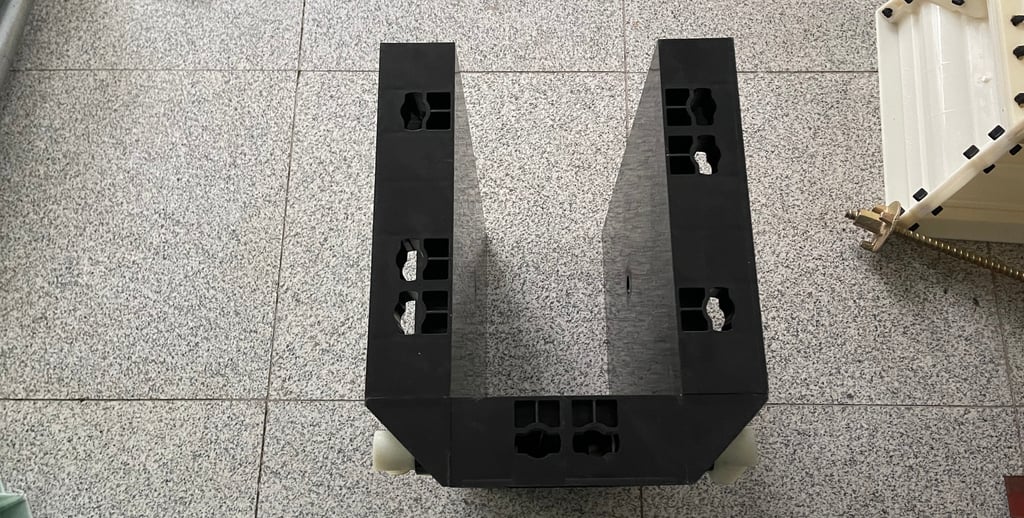
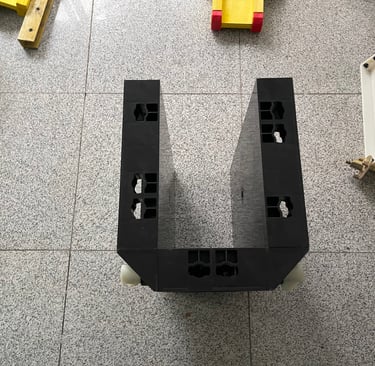
In the field of modern construction, beam formwork is an essential component that directly impacts construction efficiency, project quality, and cost control. With the continuous upgrading of construction materials, plastic beam formwork has emerged as a superior alternative to traditional wood and steel formwork, gaining wide recognition in the industry due to its remarkable performance advantages. This article focuses on introducing the core characteristics and practical value of plastic beam formwork.
First and foremost, plastic formwork is highly suitable for beam construction due to its flexible size splicing. Unlike traditional formwork limited by fixed specifications, plastic beam formwork can be freely spliced into various sizes and shapes, meeting the construction requirements of beams with different cross-sectional dimensions and lengths. Its excellent plasticity and processability allow construction workers to cut, drill, and assemble it arbitrarily on the construction site, greatly enhancing the adaptability of beam formwork and avoiding material waste caused by mismatched sizes. Whether it is a small-span beam in residential buildings or a large-span beam in industrial workshops, plastic beam formwork can be perfectly matched through reasonable splicing, ensuring the accuracy of beam forming and laying a solid foundation for subsequent construction.
Secondly, the light weight of plastic beam formwork significantly simplifies on-site construction and reduces labor costs. Compared with heavy, cumbersome traditional steel and wood formwork, plastic beam formwork has a low density, making it easy for a single worker to carry and install without the need for large hoisting equipment. This not only reduces the labor intensity of construction workers but also speeds up the installation of beam formwork. In practical construction, using plastic beam formwork can save a great deal of labor time and costs; its lightweight advantage is particularly prominent in high-rise building projects where vertical transportation is inconvenient, effectively shortening the construction period and improving overall construction efficiency.
Thirdly, plastic beam formwork boasts excellent reusability, which can greatly reduce the per-use cost. Unlike wood formwork—prone to rotting, deformation, and a short service life—plastic beam formwork is made of high-quality composite materials, featuring good corrosion resistance, water resistance, and wear resistance. With proper maintenance and storage, its turnover times can exceed 100. In contrast, traditional wood formwork can only be reused 8–10 times, and steel formwork about 30 times. Although the initial purchase cost of plastic beam formwork is slightly higher than that of wood formwork, its high turnover rate drastically reduces the average per-use cost, bringing considerable economic benefits to construction projects.
Finally, reinforcing plastic beam formwork is faster and safer, further boosting construction efficiency and safety. Plastic beam formwork is equipped with special handle connections, which enable quick splicing and fixing between formwork panels—avoiding the complicated operations of traditional bolt connection or welding and greatly saving the time required for formwork assembly. At the same time, it is matched with wooden I-beams and adjustable steel supports for reinforcement, which significantly improves the stability and bearing capacity of the beam formwork system. The wooden I-beams can evenly disperse the pressure generated during concrete pouring, while the adjustable steel supports can flexibly adjust height and firmness, effectively preventing the formwork from deforming or collapsing and ensuring the safety of the construction process and the quality of beam forming.
In conclusion, plastic beam formwork has distinct advantages in beam construction, including flexible size splicing, light weight, convenient installation, high reusability, and quick, safe reinforcement. It can effectively improve construction efficiency, ensure project quality, reduce construction costs, and promote the green and sustainable development of the construction industry. As construction technology continues to advance, plastic beam formwork will be more widely used in beam construction and other fields, bringing greater benefits to the construction industry.