
Concrete Floor Formwork-how to choose?
To sum up, plastic floor formwork is suitable for small, short-term and budget-constrained projects, benefiting from its light weight, easy operation and high cost performance.
6/2/20262 min read
Two Common Types of Concrete Floor Formwork
Concrete floor formwork is a key temporary structure for concrete pouring and forming in construction. Plastic formwork and aluminum frame plywood formwork are the two most commonly used types for floor construction. With different performance and cost characteristics, they apply to distinct project scenarios. This paper briefly introduces their respective advantages and disadvantages for construction reference.
1. Plastic Floor Formwork
Plastic floor slab formwork is a lightweight and cost-effective construction material, widely used in medium and small construction projects. It has three core strengths. First, it is extremely light, which reduces labor intensity and allows manual handling and installation without large lifting equipment. Second, it adopts an integrated handle connection design, enabling quick assembly and disassembly to simplify construction procedures and speed up progress. Third, it features high cost performance with low procurement and maintenance costs, effectively controlling project material expenses.
Meanwhile, this formwork has two obvious limitations. Its turnover frequency is relatively low, with an effective reuse cycle of only 50 to 100 times, resulting in frequent replacement for long-term and large-scale projects. Besides, it has weak bearing capacity. Due to material limitations, it cannot withstand high concrete pressure, requiring additional on-site reinforcement to prevent deformation and slurry leakage, which increases construction workload.
2. Aluminum Frame Plywood Formwork
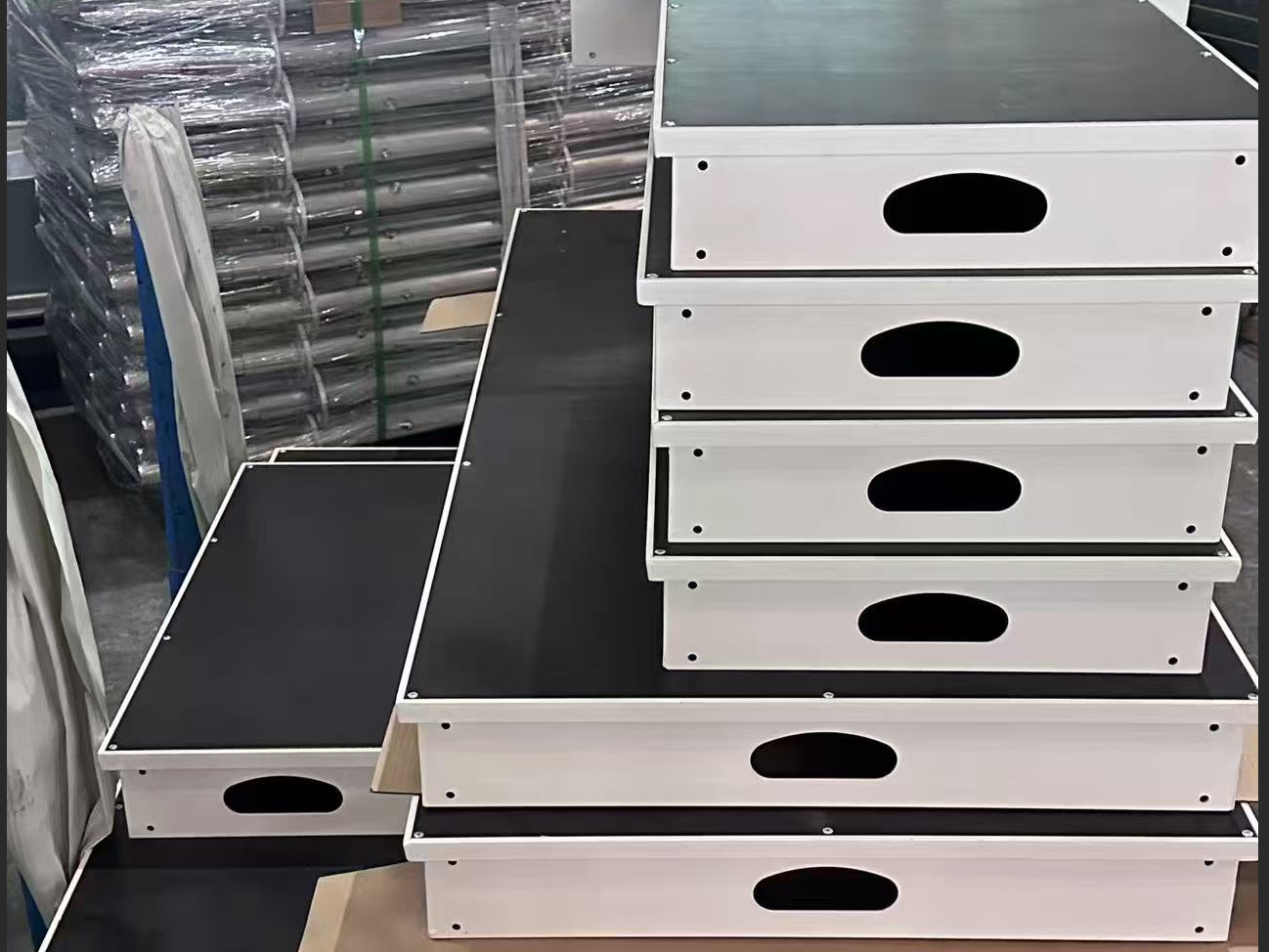
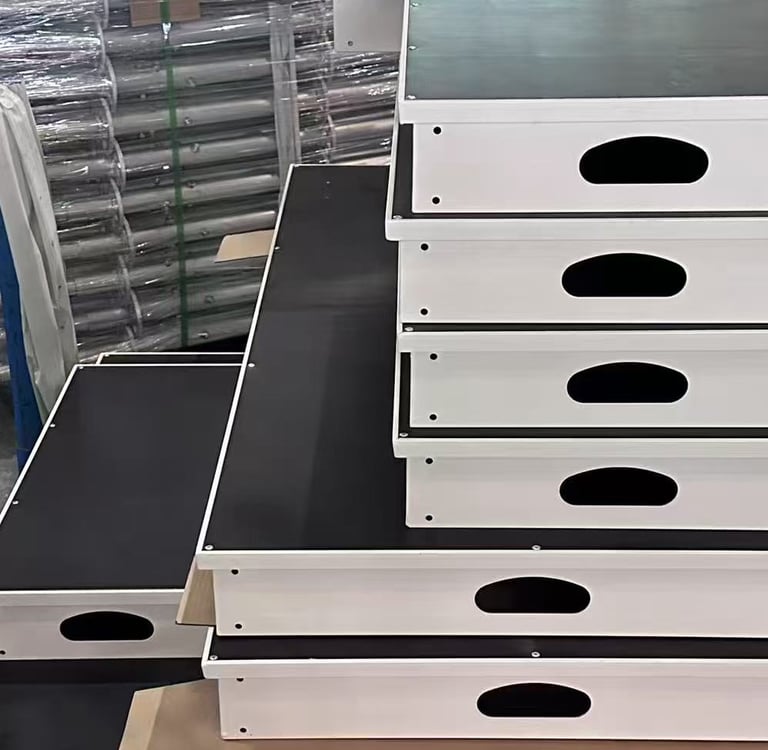
Aluminum frame plywood formwork is a high-performance composite formwork consisting of aluminum alloy frames and plywood panels, applicable to large-scale and high-standard construction projects. Its prominent advantages lie in durability and structural stability. It can be reused more than 100 times, effectively reducing the average material cost over the whole construction period. Equipped with rigid aluminum frames, it boasts strong bearing capacity, resisting heavy concrete load and avoiding deformation to guarantee flat floor quality. In addition, it matches standard steel support systems perfectly. The modular design ensures fast installation and removal, improving construction efficiency and precision.
The main drawback of aluminum frame plywood formwork is its high economic cost. Complex production processes and high-quality raw materials lead to a much higher initial purchase price than plastic formwork. It is not cost-effective for small-scale, short-cycle and budget-limited projects due to high upfront investment.
Conclusion
To sum up, plastic floor slab formwork is suitable for small, short-term and budget-constrained projects, benefiting from its light weight, easy operation and high cost performance. In contrast, aluminum frame plywood formwork with high durability and bearing capacity is the optimal choice for large-scale, high-standard and long-cycle construction. Contractors shall select floor formwork based on project scale, construction standards and budget to achieve the best balance of quality, efficiency and cost.